Rotterdam Typography Tie Dye: A Creative Tool for Strategic Design and Branding
The Rotterdam Typography Tie Dye is a unique design element that blends the visual appeal of typography with the artistic freedom of tie-dye techniques. It offers a fresh, eye-catching way to incorporate text into various creative projects. This dynamic approach allows designers and creators to transform words into vibrant, expressive visuals that can be used across a wide range of applications—from print media to digital content.
Why Rotterdam Typography Tie Dye Matters in Modern Design
In an era where visual communication is key, the Rotterdam Typography Tie Dye stands out as a versatile tool that supports both aesthetic and strategic goals. Unlike traditional typography, which often focuses on clarity and legibility, this method embraces creativity and experimentation. It enables designers to convey messages in a more engaging and memorable way, making it ideal for branding, marketing, and personal expression.
For entrepreneurs and small business owners, using Rotterdam Typography Tie Dye can help differentiate their brand in a crowded market. The bold, colorful nature of this design style adds a layer of personality and uniqueness that resonates with modern audiences. Whether it's for packaging, promotional materials, or social media graphics, this technique can elevate the overall look and feel of a brand’s visual identity.
Strategic Use Cases for Rotterdam Typography Tie Dye
The versatility of Rotterdam Typography Tie Dye makes it suitable for a variety of use cases. Here are some practical examples:
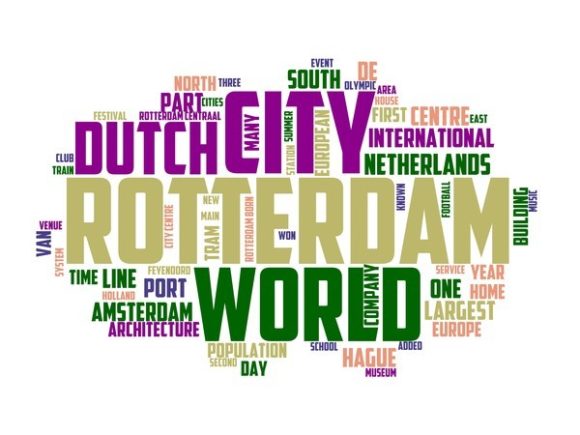
- Product Packaging: Adding a tie-dye wordcloud to product labels or packaging can make your offerings stand out on shelves and online.
- Marketing Materials: From flyers to banners, this design can capture attention and communicate key messages effectively.
- Branding Elements: Incorporating the Rotterdam Typography Tie Dye into logos, business cards, or website headers can create a cohesive and visually striking brand image.
- Printables and Templates: This design is perfect for creating custom templates that users can download and apply to various projects.
- Home Décor and Textiles: From pillows to wall art, the Rotterdam Typography Tie Dye can add a touch of creativity and color to everyday items.
Each of these use cases demonstrates how the Rotterdam Typography Tie Dye can support strategic objectives such as brand recognition, customer engagement, and creative differentiation.
Planning Your Rotterdam Typography Tie Dye Project
Before diving into a project, it's essential to plan carefully. Consider the following steps to ensure your design aligns with your goals:
- Define Your Purpose: What message or emotion do you want to convey? This will guide your design choices and help maintain focus.
- Identify Your Audience: Understanding who your target audience is will help you tailor the design to their preferences and expectations.
- Choose the Right Medium: Decide where the design will be used—whether it's for print, digital, or physical products—and adapt accordingly.
- Consider Color and Layout: Experiment with different color combinations and layouts to find what best suits your message and brand.
- Test and Refine: Always test your design in different contexts and refine it based on feedback and real-world usage.
By following these planning tips, you can ensure that your Rotterdam Typography Tie Dye project is both effective and impactful.
Long-Term Value of Rotterdam Typography Tie Dye
Investing in the Rotterdam Typography Tie Dye isn't just about creating a single piece of content—it's about building a foundation for long-term value. This design can be reused across multiple platforms and campaigns, making it a valuable asset for any creative professional or business owner.
From a strategic perspective, using this technique consistently can help reinforce brand identity and create a sense of continuity. Over time, it can become a recognizable element that strengthens customer loyalty and trust. Additionally, the flexibility of the design allows for easy adaptation to new trends and technologies, ensuring its relevance in an ever-evolving market.
What to Consider Before Relying on Rotterdam Typography Tie Dye
While the Rotterdam Typography Tie Dye offers many benefits, it's important to consider potential risks and limitations before relying on it extensively:
- Clarity vs. Creativity: While the design is visually appealing, it's crucial to balance creativity with readability. Ensure that the message remains clear and accessible.
- Contextual Relevance: Not all projects may benefit from this design style. Consider whether it aligns with your brand's tone and the context in which it will be used.
- Consistency: Using the same design across all platforms can sometimes lead to a lack of variety. Be mindful of maintaining a cohesive yet diverse visual strategy.
- Technical Limitations: Some applications may have technical constraints that affect how the design is implemented. Always test it in different formats and environments.
By being mindful of these considerations, you can maximize the effectiveness of the Rotterdam Typography Tie Dye while minimizing potential drawbacks.
Intentional Use for Better Results
To achieve better results, it's essential to use the Rotterdam Typography Tie Dye intentionally rather than randomly. This means aligning its use with specific goals and outcomes. Whether you're launching a new product, promoting an event, or enhancing your brand's visual presence, the design should serve a clear purpose.
Intentional use also involves understanding when and how to apply the design. For example, it may be more appropriate for certain types of content than others. By focusing on purpose-driven application, you can ensure that each use of the Rotterdam Typography Tie Dye contributes meaningfully to your overall strategy.
Ultimately, the key to success lies in thoughtful planning, strategic execution, and continuous refinement. With the right approach, the Rotterdam Typography Tie Dye can become a powerful tool for achieving both creative and commercial goals.